

“This explains the frustration, exhaustion, and misunderstandings better than anything we have read before.”
— Reader response
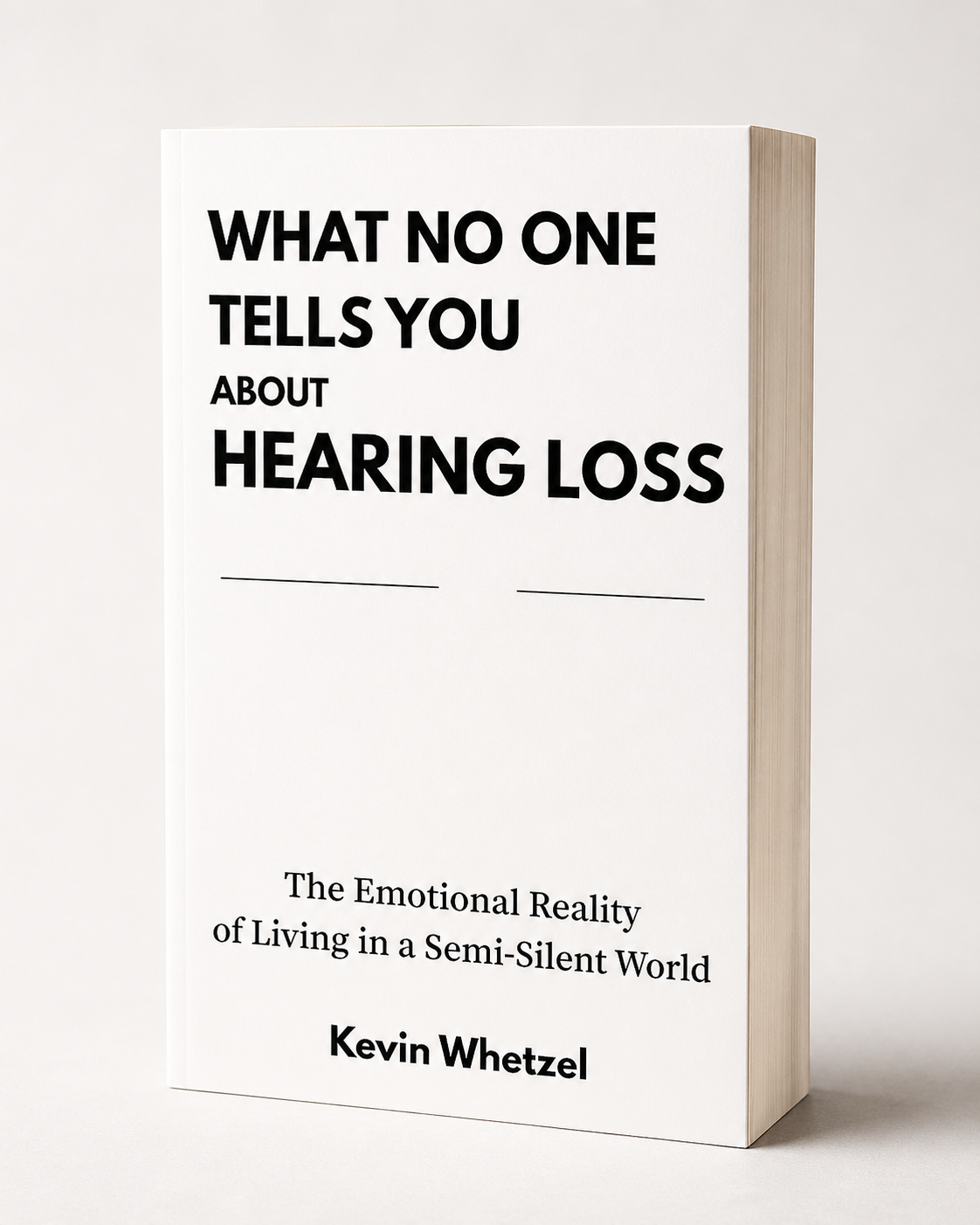
What No One Tells You About Hearing Loss
The emotional reality of living in a semi-silent world
A clear, compassionate book about the emotional and social side of hearing loss — the part that often gets missed when hearing loss is treated only as a problem of volume.
This book gives language to the quiet exhaustion of trying to keep up, the missed words, the listening fatigue, the social withdrawal, the misunderstandings, and the loneliness of being present but not fully included.
Written from lived experience, it is for people with hearing loss and for the families, friends, teachers, coworkers, caregivers, and professionals who want to better understand what communication really requires.
Quick Facts
Format: Paperback and Kindle Length: 95 pages
Available at: Amazon
Best for: Adults with hearing loss, families, friends, caregivers, teachers, coworkers, and professionals
Focus: Listening fatigue, isolation, misunderstanding, emotional strain, and the difference between hearing and understanding
Style: Clear, compassionate, plain-language, and experience-based
What’s Inside
Why hearing loss is about more than volume
Why listening can become exhausting work
How missed words turn into misunderstanding
Why social withdrawal often happens quietly
The emotional weight of being present but not fully included
Why “I heard you” does not always mean “I understood you”
What families and friends often miss
Why better communication requires patience, clarity, and cooperation
“You don’t truly understand unless hearing loss touches your life.” Facebook Response
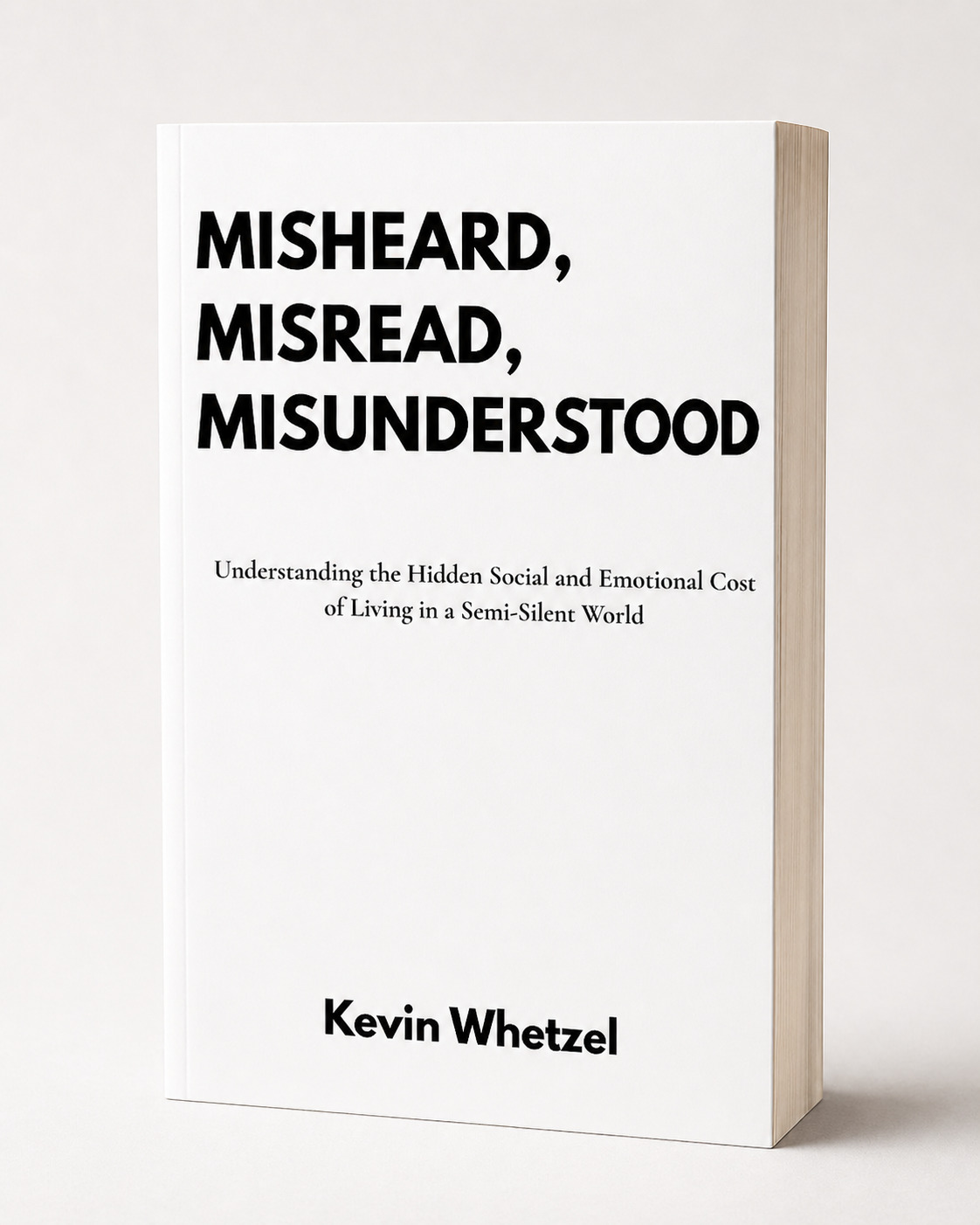
Misheard, Misread, Misunderstood
Understanding the hidden social and emotional cost of living in a semi-silent world
A deeper look at the emotional and social cost of hearing loss — and why communication matters far more than most people realize.
Hearing loss does not only affect what a person hears. It affects connection, confidence, relationships, and the way people are understood by the world around them. When communication breaks down, people may be misread as distant, rude, confused, uninterested, or difficult — when in reality, they may simply be working hard to follow a conversation that was never made accessible.
This book gives language to those moments and helps readers see hearing loss through a more human lens. Written for people with hearing loss and for the families, friends, teachers, coworkers, employers, and communities around them, it shows why better communication is not just helpful — it is necessary for real connection.
Quick Facts
Format: Paperback and Kindle
Length: 204 pages
Available at: Amazon
Best for: People with hearing loss, families, friends, teachers, coworkers, employers, and communities
Focus: Misunderstanding, social withdrawal, confidence, relationships, communication breakdown, and being misread by others
Style: Plain-language, compassionate, experience-based, and human-centered
What’s Inside
Why hearing loss affects more than sound
How communication breakdown changes relationships
Why people with hearing loss are often misread by others
The emotional cost of being misunderstood
How missed words can affect confidence and connection
Why social withdrawal is often a response to exhaustion
How families, friends, teachers, coworkers, and employers can better understand the hidden impact
Why better communication is necessary for real inclusion
“It finally helped us understand what hearing loss feels like on the other side of the conversation.”
— Reader response
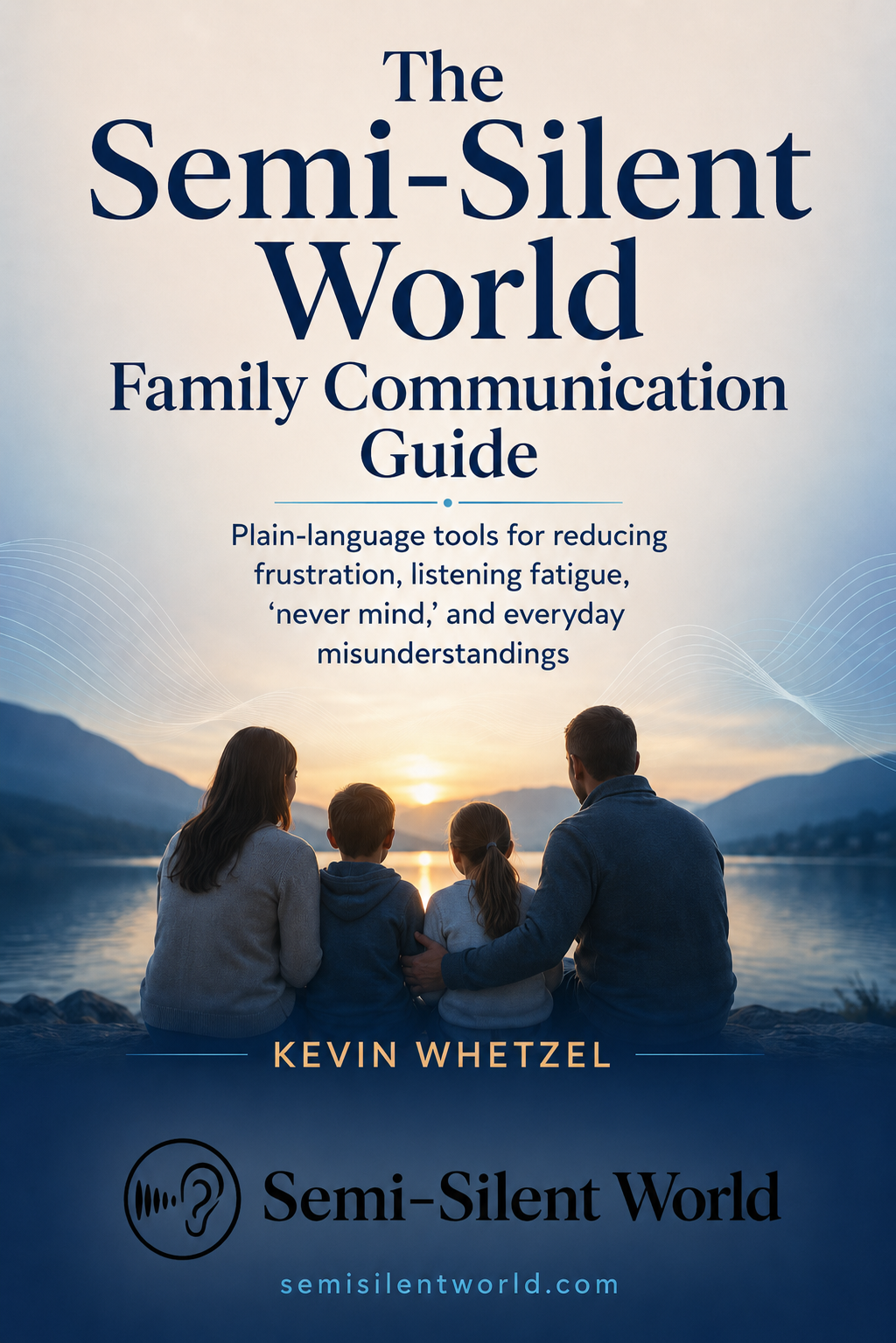
The Semi-Silent World Family Communication Guide
Plain-language tools for reducing frustration, listening fatigue, “never mind,” and everyday misunderstandings
A practical family guide for spouses, relatives, caregivers, friends, and loved ones who want to better understand how hearing loss affects daily communication, emotional fatigue, family tension, and relationships.
This guide helps families recognize where communication breaks down — and offers plain-language tools to reduce frustration, repair misunderstandings, and make everyday conversations easier for both the hard-of-hearing person and the people around them.
Quick Facts
Format: Digital PDF
Length: 83 pages
Best for: Families, spouses, caregivers, friends, and loved ones
Focus: Everyday communication, listening fatigue, misunderstanding, and family frustration
Includes: Practical tools, communication habits, repair phrases, and printable family pages
Style: Plain-language, practical, non-clinical
What’s Inside
Why hearing loss changes daily life
Why listening becomes work
Why “I heard you” does not always mean “I understood you”
What families often misunderstand
What the hard-of-hearing person often needs
What the hearing person often feels
Communication habits that help
Habits that make things worse
Repair phrases for difficult moments
A one-page family communication agreement
Further reading from Semi-Silent World
“I realize that several students may be struggling with verbal communication and instructions. I began using plainly worded instructions and have been blown away by the results.”
— Phillip S, Middle School Teacher
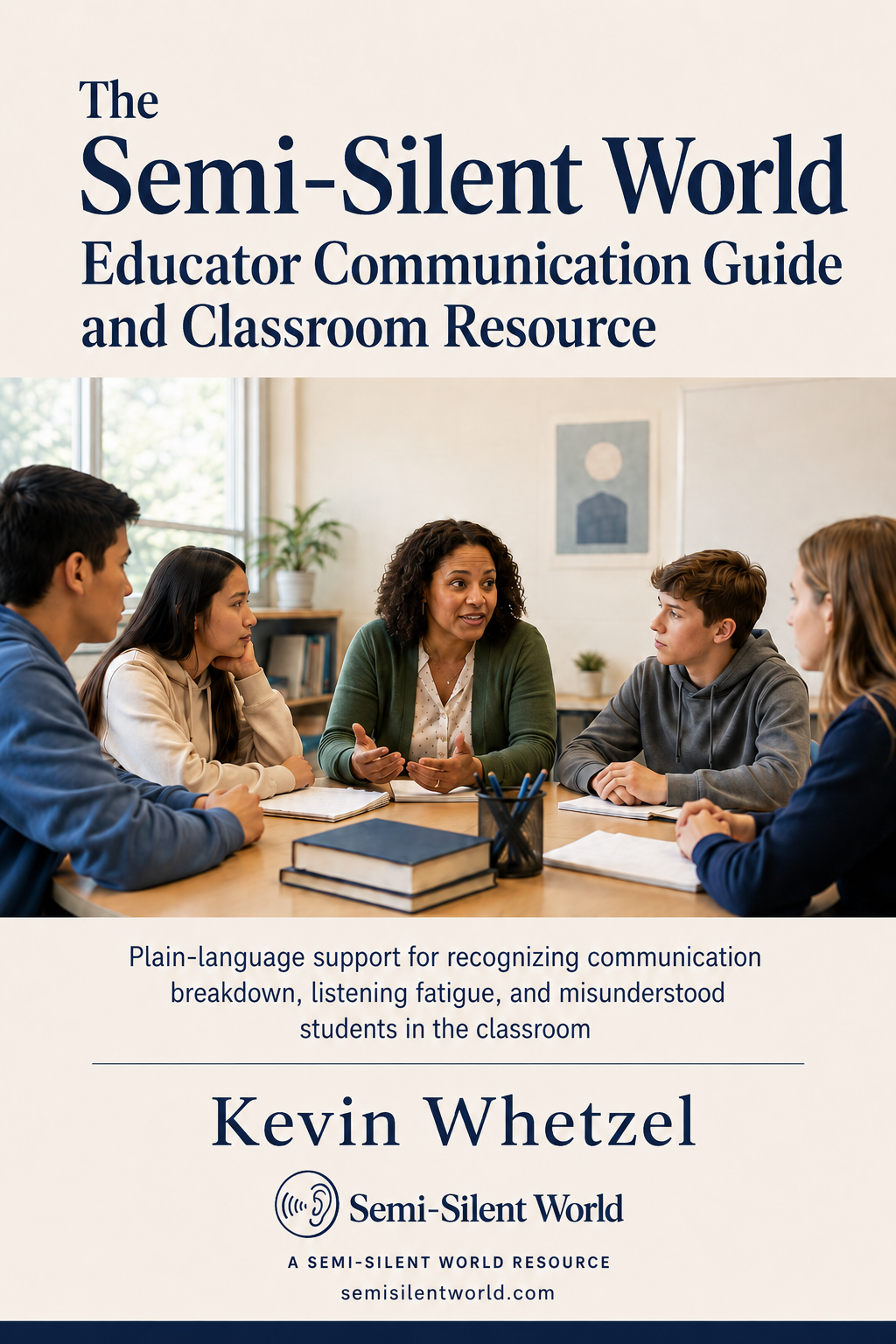
Educator Communication Guide and Classroom Resource
Helping teachers recognize listening fatigue, misunderstanding, and communication breakdown in the classroom
A practical educator guide for teachers, school staff, counselors, support personnel, and administrators who want to better understand how hearing challenges can affect learning, behavior, confidence, participation, and classroom communication.
Many students who struggle to hear or understand clearly are not always identified right away. Some may appear distracted, quiet, confused, resistant, uninterested, or difficult — when in reality, they may be working hard to follow classroom instruction, peer conversation, group discussion, or fast-moving directions.
This guide helps educators see communication through a more human lens and offers plain-language tools to reduce misunderstanding, support students more effectively, and create classrooms where students are not overlooked simply because they appear to be hearing.
Quick Facts
Format: Digital PDF
Length: 254 pages
Best for: Teachers, school staff, counselors, support personnel, administrators, and classroom teams
Focus: Listening fatigue, classroom misunderstanding, student confidence, communication breakdown, and practical support
Includes: Educator tools, classroom communication strategies, reflection prompts, repair phrases, and printable resource pages
Style: Plain-language, practical, experience-based, and non-clinical
What’s Inside
Why hearing and understanding are not always the same
How listening fatigue can affect learning, behavior, and participation
Why some students may appear distracted, confused, withdrawn, or difficult
How classroom noise, distance, speed, and group discussion can create barriers
Why students may pretend they understood when they did not
Practical ways to check for understanding without embarrassment
Communication habits that help students stay included
Repair phrases teachers can use when communication breaks down
Classroom strategies for clearer directions and better follow-through
Reflection pages and printable tools for real classroom use
“This changed the way I think about communication in noisy environments.” -Reader response
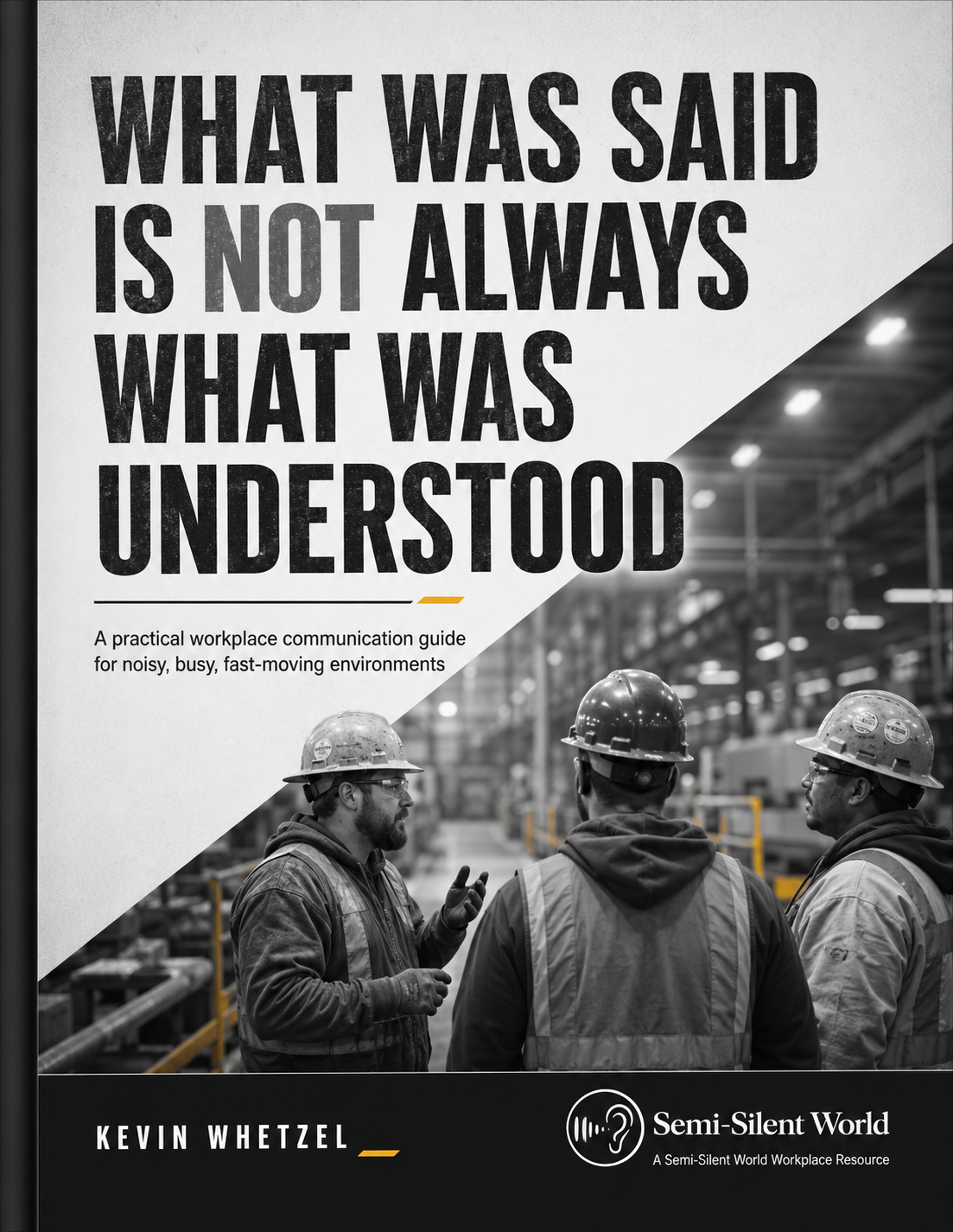
What Was Said Is Not Always What Was Understood
The Semi-Silent World Workplace Communication Guide
A practical workplace guide for noisy, busy, fast-moving environments where missed words, unclear instructions, background noise, fatigue, and assumptions can affect safety, training, teamwork, and efficiency.
This guide helps supervisors, crew leaders, safety managers, trainers, and workers recognize where communication breaks down — and offers plain-language tools to help confirm that what was said is actually what was understood.
Quick Facts
Format: Digital PDF
Length: 95 pages
Best for: Supervisors, crew leaders, safety managers, trainers, and workers
Focus: Workplace communication in noisy, busy, fast-moving environments
Includes: Practical tools, communication habits, repair phrases, and printable workplace pages
Style: Plain-language, practical, non-clinical
What’s Inside
Why workplace communication breaks down
Why noisy environments can make anyone functionally hard of hearing
Why “I said it” does not always mean “they understood it”
How assumptions create safety and efficiency problems
Practical ways to confirm instructions were understood
Communication habits for supervisors, trainers, and crew leaders
Common phrases that shut communication down
Better repair phrases for unclear instructions
Tools for reducing repeated mistakes, frustration, and preventable confusion
Printable workplace communication pages for real-life use
COMING SOON
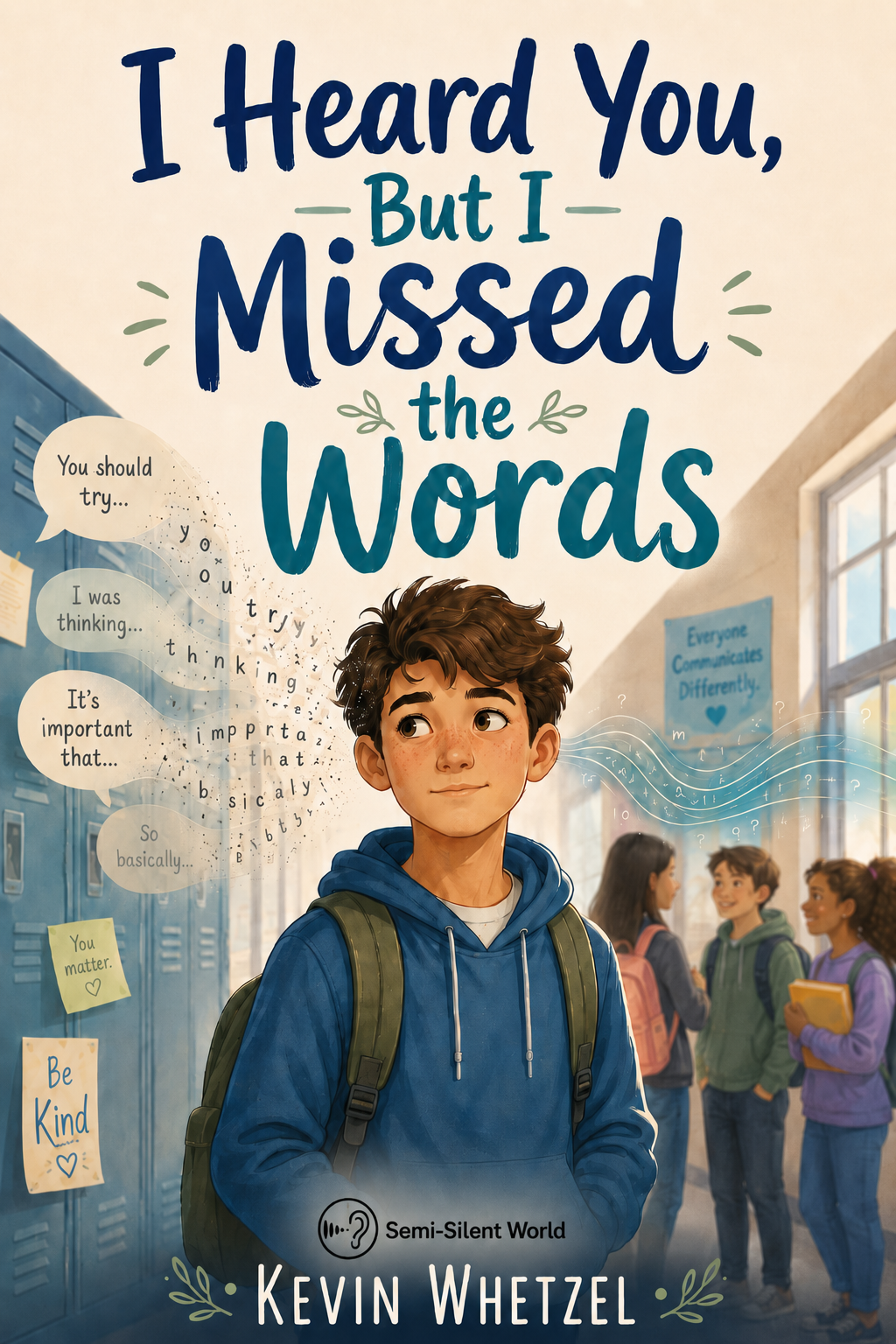
I Heard You, But I Missed the Words is written for students who struggle to keep up with classroom communication, conversations, instructions, jokes, group work, and the fast-moving moments that happen throughout the school day.
Some students may already know they are hard of hearing. Others may simply know that listening feels harder than it seems to be for everyone else. Either way, this book helps give language to what often goes unseen: missed words, misunderstood moments, listening fatigue, embarrassment, isolation, and the quiet pressure of trying to act like you understood.
It is also written for parents, teachers, and caregivers who want to better understand what may be happening beneath the surface when a student seems distracted, confused, quiet, frustrated, or left out.
At its core, this book is about the difference between hearing sound and understanding words — and why communication works best when everyone shares the responsibility for making sure the message was truly understood.